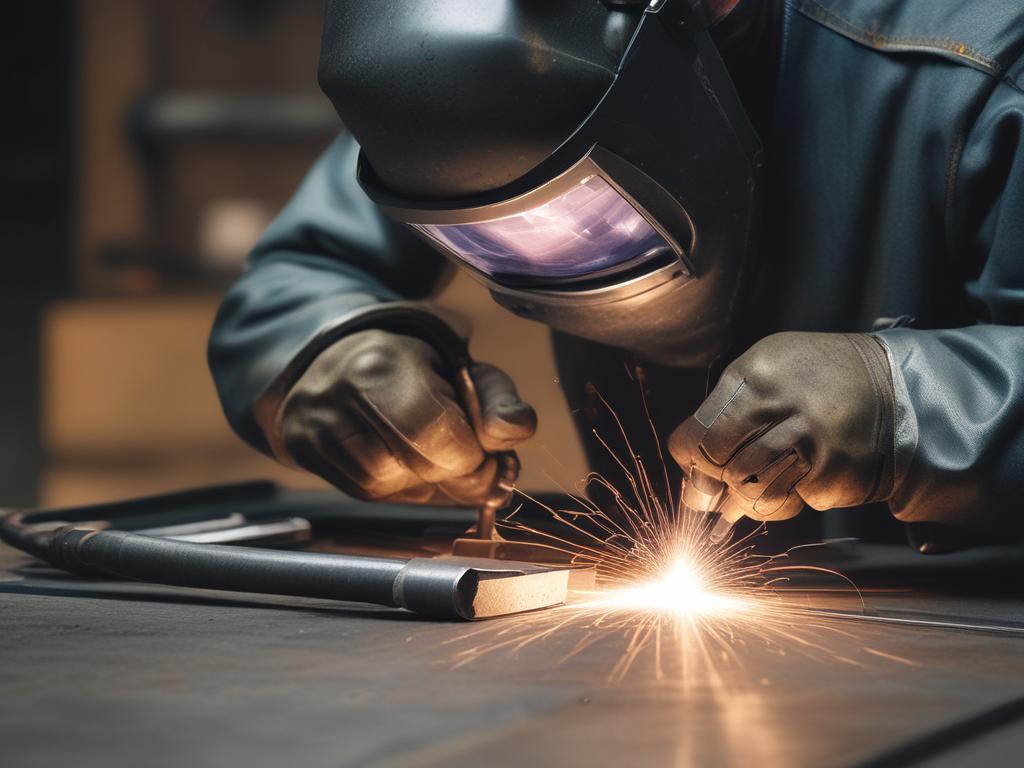
Welding is more than just a method of joining metals; it’s an art form that combines precision, skill, and creativity. To truly explore the intricate techniques and skills that define exceptional welding services, one must dive deep into the foundational methods that serve as the backbone of this craft. From understanding different welding processes to mastering the nuances of various materials, each aspect plays a critical role in achieving high-quality results. As we embark on this journey through the world of welding, we’ll uncover the key elements that set exceptional welders apart from the rest.
In addition to foundational techniques, essential skills are vital for every welder looking to tackle intricate projects. These skills not only enhance the final product but also improve safety and efficiency on the job. As we explore advanced techniques that elevate welding craftsmanship, it's important to recognize how continuous learning and adaptability can push a welder to new heights. Join us as we delve into the intricacies of this craft, unraveling the mastery that transforms ordinary welding into extraordinary craftsmanship.
Understanding the foundational techniques of exceptional welding services
To master exceptional welding services, one must first grasp the foundational techniques that form the backbone of the craft. Starting with the basics, welders typically use methods such as MIG (Metal Inert Gas), TIG (Tungsten Inert Gas), and Stick welding. Each of these techniques serves a specific purpose and is suited for various materials and projects. Understanding how to select the appropriate method, based on the characteristics of the metal and the desired outcome, enables welders to produce strong, precise joints that meet industry standards.
Moreover, a solid comprehension of welding safety practices is crucial. This includes wearing the appropriate protective gear, ensuring proper ventilation, and adhering to safety protocols to prevent accidents. With a strong foundation in these fundamental techniques and safety measures, novice welders can develop the confidence and skills necessary to tackle more complex projects. Mastering these core principles sets the stage for further exploration into advanced welding techniques, allowing craftsmen to elevate their work and deliver exceptional welding services consistently.
Essential skills every welder should master for intricate projects
To excel in the art of welding, every welder must cultivate a set of core skills that serve as the building blocks for intricate projects. First and foremost, precision and control during the welding process are paramount. A welder needs a steady hand and keen eye for detail to ensure that joints are fused seamlessly while adhering to specified tolerances. Understanding the properties of different materials is also crucial; each metal behaves differently under heat, affecting how welds form. By mastering the basic techniques like stick welding, MIG, and TIG, welders can broaden their skillset and tackle a variety of challenges that arise in their work.
Additionally, problem-solving is an indispensable skill in the welding trade. Every project presents unique challenges, whether it's dealing with unpredictable material behavior or navigating complex design requirements. A proficient welder must think critically to identify the right technique for each situation, adjusting approaches as necessary. Alongside this, effective communication plays a vital role, especially in collaborative projects where multiple trades intersect. By working closely with engineers and other professionals, welders can contribute valuable insights and ensure the project aligns with the overall vision. Mastery of these essential skills will not only enhance a welder's capability but will also solidify their reputation in delivering exceptional welding services.
Exploring advanced techniques that elevate welding craftsmanship
Advanced welding techniques are crucial for those seeking to elevate their craftsmanship to an exceptional level. Techniques such as TIG (Tungsten Inert Gas) welding and MIG (Metal Inert Gas) welding enable welders to achieve clean, precise, and aesthetically pleasing results. With TIG welding, for example, the welder uses a non-consumable tungsten electrode, which provides greater control over the weld quality and appearance. Additionally, understanding the intricacies of working with different materials, such as aluminum or stainless steel, allows welders to adapt their techniques and ensure that every project meets or exceeds industry standards.
As professionals delve deeper into the art of welding, mastering skills like pulse welding and multi-pass welding becomes essential. Pulse welding allows for precise control of heat input, minimizing distortion and enhancing the overall integrity of the weld. Similarly, multi-pass welding techniques enable the stacking of weld beads, improving strength and ensuring a more robust finished product. By exploring these advanced methods, welders not only refine their abilities but also expand their service offerings, ultimately distinguishing themselves in a competitive marketplace.